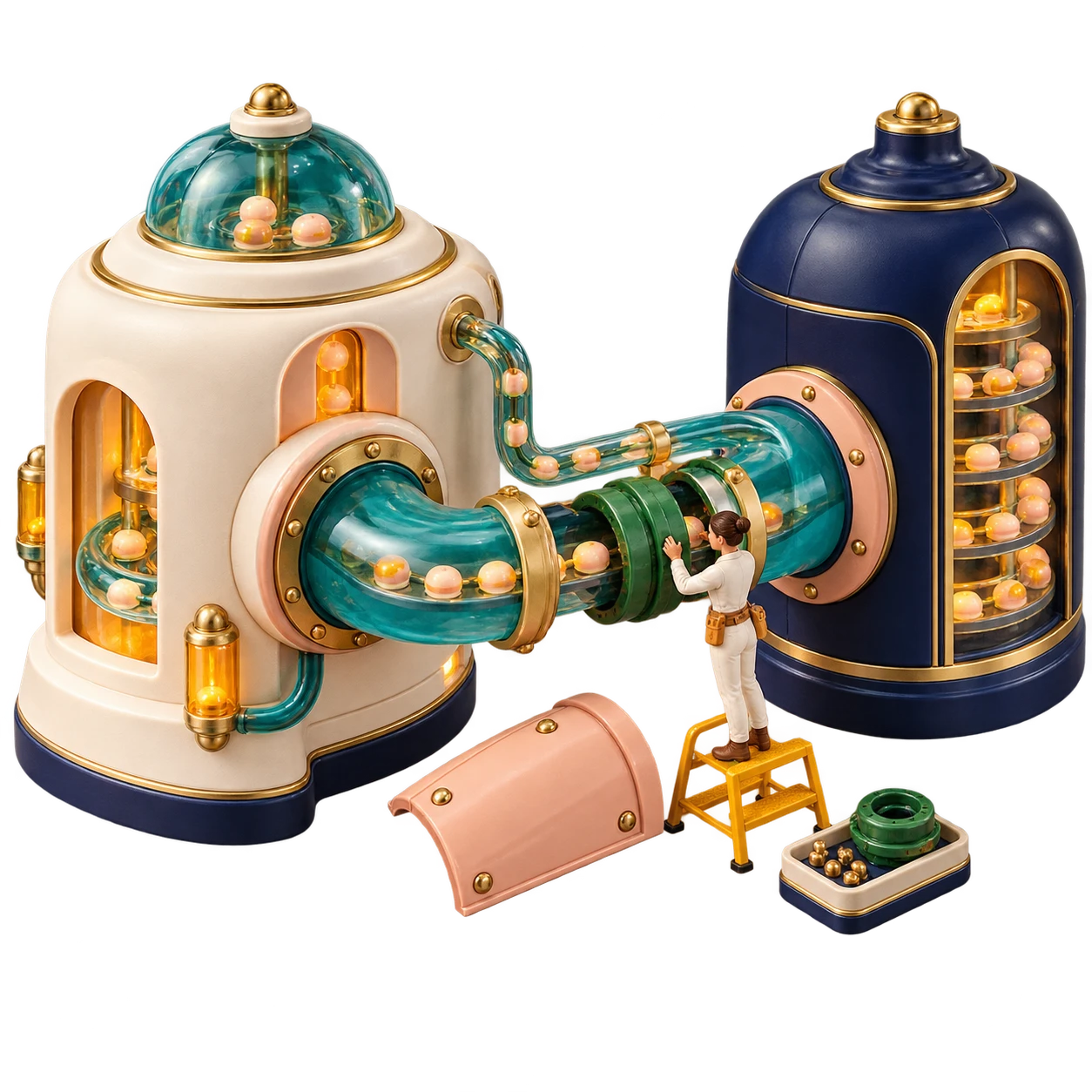
An integration has a life after implementation.
Applications release updates, credentials expire, fields change and business volumes grow. The connection may continue to run while an assumption behind it becomes less reliable. Ongoing support needs an understanding of both the technical flow and the operational process it serves.
We establish which flows are covered and how responsibility is shared with your team and providers. A successful restart is only part of recovery: the owner also needs to know whether queued orders arrived, whether any were duplicated and which exceptions remain. That is the context a useful handover and support arrangement should provide.
Incidents, maintenance and new development.
| Type of work | What it includes |
|---|---|
| Restore an affected process | Investigate failed or delayed transactions, determine business impact and establish a safe recovery path. Keep the operational owner informed of the next action and unresolved risks. |
| Maintain the connection | Review agreed changes to interfaces, mappings, permissions and dependencies. Test the affected flows and preserve a record of what changed. |
| Improve the design | Use recurring incident patterns to identify structural issues. A substantial redesign, new flow or platform migration should have a separate scope and acceptance criteria. |
Establish support that can act with context.
- 01
Onboard the flows
Review diagrams, mappings, source access, environments and runbooks. Identify undocumented dependencies and any limits on the ability to diagnose or change the integration.
- 02
Agree the operating model
Define channels, priorities, service coverage, escalation and approval. Clarify where responsibility sits with your team and third-party vendors.
- 03
Investigate and recover
Trace affected events across systems, inspect current state and use the agreed recovery procedure. Reconcile the outcome before treating an incident as resolved.
- 04
Review change and recurring demand
Discuss repeated failures, provider changes and improvement candidates. Keep essential maintenance distinct from optional enhancements and new requirements.
Do not let support become undocumented development.
A small mapping correction can affect orders, reports or downstream accounting. Apply a change process proportional to the impact, even when the request arrives through a support queue. Confirm the business rule, test the change and update the operating record.
Retain a practical test set for the important flows. When an application, interface or authentication method changes, that set helps establish whether the connection still supports the intended behavior. Current platform documentation should inform the review, particularly where a provider announces retirement or changed requirements.
Existing connections and support coverage
- Can you support a connection built by another provider?
Begin with an assessment of documentation, source access, platform rights and dependencies. The ability to maintain a flow depends on those conditions. Agree what can be supported and where vendor involvement or remediation is needed before relying on the arrangement.
- Is support the same as monitoring?
Monitoring provides signals and context; support supplies the people, responsibilities and procedures that act on them. The two need to work together. Coverage, alert routing and response expectations should be explicitly agreed.